
Alcohol Rehab Los Angeles
Alcohol rehab Los Angeles options can feel overwhelming when you're calling for someone you love. In Los Angeles, 185 facilities are listed on SAMHSA FindTreatment.gov, including 49 with alcohol detox. This guide helps you compare local care, from withdrawal supervision to ongoing counseling.
- offer this detox
- 49
- facilities listed
- 185
SAMHSA FindTreatment.gov lists 185 facilities in Los Angeles, and 72 offer detox, with 49 specifically listing alcohol detox. These counts are a starting point, but they do not show which program suits your family member's needs. Treatment for alcohol use disorder runs from medically supervised withdrawal to residential care and outpatient counseling. The right level depends on how long the person has been drinking heavily, whether withdrawal symptoms are present, and what support exists at home. For families comparing alcohol rehab in Los Angeles, the first call can be a free, confidential conversation with a treatment advisor who collaborates with licensed providers. That call commits you to nothing.
When you call for someone else, you may feel pressure to make a decision quickly. Take a breath. You can ask about the 185 listed facilities, the 61 that offer residential care, and the 133 that provide outpatient services. If your family member has insurance, then ask each program whether it accepts that plan before you visit. If not, Medi-Cal may be an option, and 86 locations list medications for alcohol use disorder, which can be part of a care plan. The goal is not to find the biggest or fanciest place. It's to match the level of care to the person's needs and to make sure withdrawal is handled safely.

Care levels and medications in LA
In Los Angeles, 72 facilities offer detox, 61 provide residential care, 40 offer partial hospitalization, 85 have intensive outpatient programs, and 133 provide outpatient services. For alcohol specifically, 49 detox programs are listed. Medications for alcohol use disorder are available at 86 locations, including naltrexone (98 listings), which can reduce cravings. Buprenorphine and methadone are primarily for opioid use disorder, but they are listed here because some people have both alcohol and opioid issues. For alcohol rehab in Los Angeles, a medical assessment helps determine the right level of care, from detox to outpatient counseling. With 49 alcohol detox programs listed in Los Angeles, families have several supervised withdrawal options to compare.
When someone you love has severe withdrawal symptoms, medically supervised detox is usually the recommended route. Because alcohol withdrawal can be dangerous, a clinician should be involved. As you compare alcohol rehab centers in Los Angeles, ask whether detox includes 24-hour medical monitoring. For ongoing support, outpatient rehab in Los Angeles offers 85 intensive outpatient programs and 133 standard outpatient services. Residential care suits some people better, especially those without stable housing or after repeated relapses. Most insurance plans must cover substance use treatment on par with medical care under the federal parity law, so ask the program about coverage. If you are weighing inpatient rehab in Los Angeles, confirm the program provides the medical supervision your family member needs.
- get medication for alcohol use
- 86
- with alcohol detox
- 49
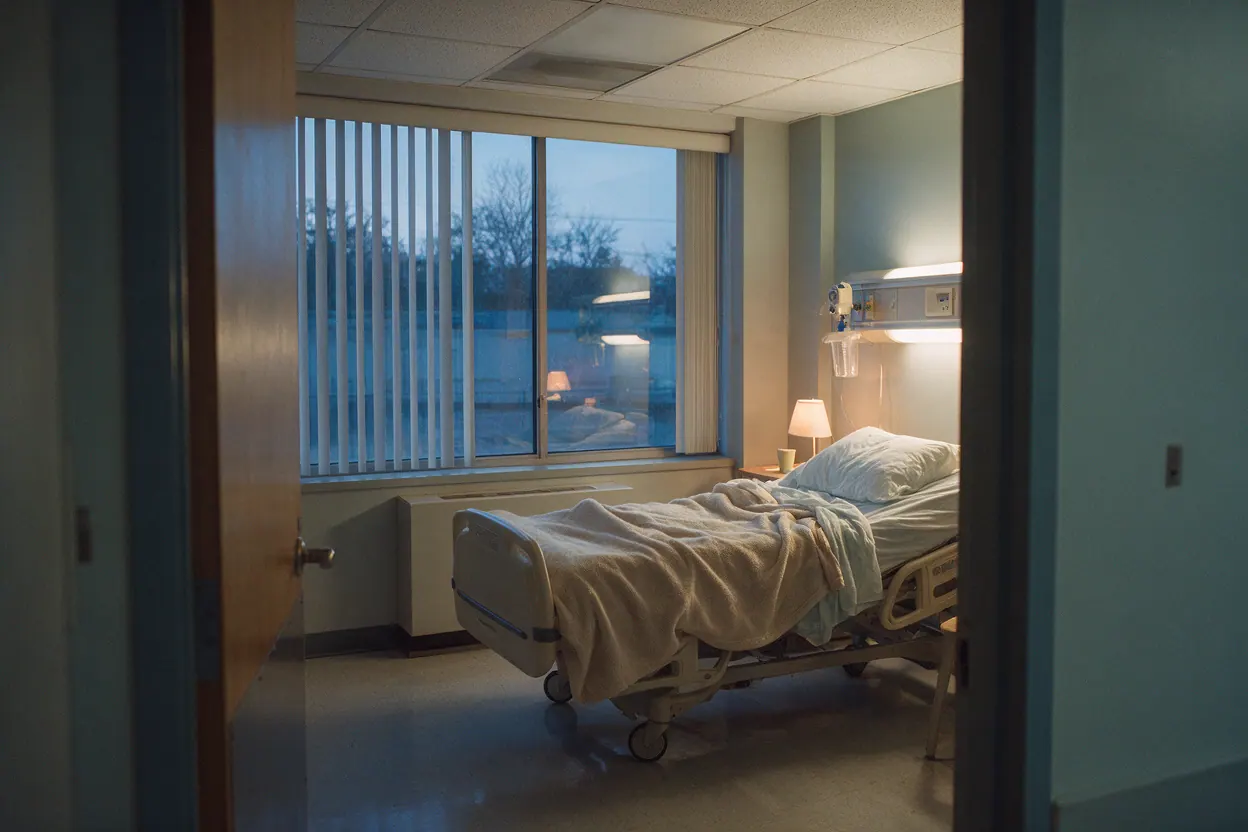

Alcohol rehab Los Angeles and overdoses
Local health data can inform decisions about alcohol rehab in Los Angeles, although the current CDC provisional figures do not separate out alcohol-specific deaths. The wider picture across all overdose deaths is improving: 8,250 deaths during the 12 months ending May 2026 a 12 percent decrease from the previous year. Keep in mind that these figures are provisional. For alcohol-specific mortality, local public health departments keep separate numbers, and a treatment advisor can help you understand the risks. As you look for alcohol rehab centers in Los Angeles, let these provisional numbers remind you that timely care matters.
If someone has been drinking heavily for years, then the risk of withdrawal complications is higher and should be evaluated by medical staff before stopping abruptly. That is a general caution, not a diagnosis. The data on overdose deaths offers some context, but it doesn't predict any one person's outcome. What matters is getting an assessment from a licensed provider who can recommend the right level of care. For alcohol rehab in Los Angeles, a medical assessment helps determine the right level of care and whether supervised withdrawal is needed.
Signs your loved one needs help
- Drinking more than you meant to, or for longer than you planned, and finding it difficult to cut back.
- Needing more alcohol to get the same effect, or having withdrawal symptoms like shaking, sweating, or nausea when not drinking.
- Giving up activities they used to enjoy, or continuing to drink despite problems at work, school, or home.
- Spending a lot of time drinking or recovering from drinking, and feeling strong urges to drink.
- Having blackouts, memory gaps, or mood swings that seem tied to drinking.
Questions
Does Medi-Cal pay for alcohol rehab Los Angeles?
Medi-Cal, California's Medicaid program, may pay for alcohol treatment at facilities that accept it. Some of the 185 facilities listed on SAMHSA FindTreatment.gov in Los Angeles take Medi-Cal. Coverage depends on the level of care and the specific program. The helpline can assist you in locating programs that take Medi-Cal, but calling does not guarantee coverage or admission. The call is free and private.
What are the crisis residential treatment programs in Los Angeles County?
Crisis residential programs provide short-term, 24-hour care for people in mental health or substance use crises. In Los Angeles, 61 facilities offer residential care, though not all are crisis-specific. These programs can be an alternative to hospitalization. The helpline can connect you with options, and the call is free and confidential.
What is the difference between detox and rehab?
Detox is the medical process of clearing alcohol from the body and managing withdrawal symptoms. Rehab refers to the broader treatment program, which may include therapy, counseling, and medications. In Los Angeles, 49 facilities offer alcohol detox, and 61 offer residential rehab. Detox alone is not usually enough for long-term recovery; ongoing treatment is often recommended.
How long does alcohol detox take?
According to MedlinePlus, withdrawal symptoms can start 8 hours after the last drink and peak somewhere between 24 and 72 hours, while lingering effects such as sleep disruption and mood swings may last for months. The acute stage usually runs a few days to a week, yet a clinician belongs in the process because alcohol withdrawal carries real danger. A helpline advisor can assist you in locating a program that offers medical monitoring.
What are the three types of rehab?
Rehab is often grouped into three levels: residential (inpatient), partial hospitalization or intensive outpatient, and standard outpatient. In Los Angeles, 61 facilities offer residential care, 40 offer partial hospitalization, and 85 offer intensive outpatient, while 133 provide standard outpatient. The right type depends on the person's needs and home environment. The helpline can help you compare options.
How much does full detox cost?
What detox costs varies a great deal, depending on the facility, length of stay, and insurance coverage. The helpline doesn't give cost estimates, but treatment advisors can help you find programs that accept your insurance or Medi-Cal. A call is free to use and fully confidential. In Los Angeles, 72 facilities offer detox, and some may use sliding-scale fees.